

 Back
BackAgropalma re-enters the biodiesel market and inaugurates a plant in Pará
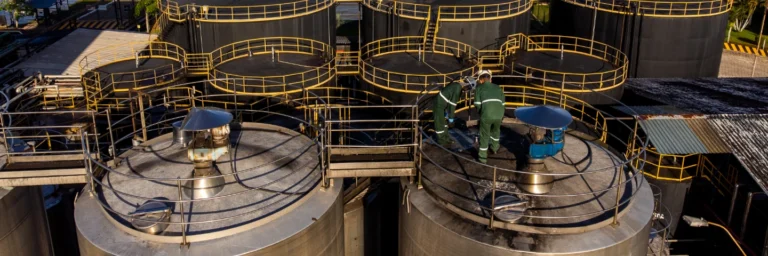


Agropalma is back in the biodiesel market. After 15 years away from biofuel production, the company is inaugurating its new plant today in Belém (PA), with a capacity to produce 36,000 cubic meters per year.
A leader in palm oil production, the company operated for several years in biodiesel production, using palm fatty acid to produce biofuel. However, the operation was discontinued in 2010 after becoming economically unsustainable.
Now, the technology used is considered one of the most modern in the industry, replacing sulfuric acid and sodium methylate with enzymes in the manufacturing process. In addition, the company will be able to use any type of oily raw material, including high-acidity oils and fatty residues, and not just palm oil.
“We are very pleased to return to the biodiesel business at a time when there is a clear direction and growth in this sector. This move is in line with the search for ecological innovation and a fair transition,” says André Gasparini, commercial, Marketing and R&D Officer at Agropalma.
Biodiesel from Pará for Pará
The plant was strategically located in Belém (PA), about 20 kilometers from the main fuel distribution bases in the region. Despite a capacity of 36,000 cubic meters per year, Agropalma forecasts an initial annual production of up to 19,000 cubic meters of biodiesel, which will primarily supply Pará market to meet 7% of its biofuel demand.
The focus on Pará is no coincidence. In 2024, the state needed to import 268 million liters of biodiesel to meet its demand. Of this total, at least 79% of the imported product was derived from soybean oil, mostly from the Midwest and South regions.
Regulatory developments also contributed to Agropalma‘s decision to return to the market. This year, the percentage of biodiesel blended with conventional diesel is 15%. It is expected to reach 20% by 2030, indicating a secured market with growth potential.
From the demand perspective, in Pará alone, biofuel consumption is expected to increase by 50% in five years, from 448 million to 674 million liters per year.
Source: Isto é Dinheiro Online (11/05/25)