
 Back
BackCompanies accelerate forest restoration projects in the Cerrado and Amazon
Private initiatives invest millions in biomes to combine conservation and socio-economic return


The Coalition for the Restoration of the Cerrado, established in 2020 with the ambitious goal of restoring 2 million hectares of the biome by 2030, currently monitors just over 31,000 hectares undergoing restoration. After more than half of the stipulated period, the current regenerated volume represents about 1.5% of the final objective.
The progress of restoration in the biome is now divided into two realities. On the one hand, there are visible projects, financed by institutional notices, international funds and philanthropy. On the other hand, there are voluntary initiatives or compliance with legal obligations conducted by companies on private property. In the latter case, there is a historical data gap: since companies manage this information internally and do not report it on official platforms, compiling global figures becomes a challenge.
One of the companies investing in the restoration of the Cerrado is Suzano, a Brazilian pulp and paper multinational. “As a forest-based company that relies on natural capital, Suzano depends directly on the quality of the ecosystems where it operates to ensure the long-term sustainability and competitiveness of its business. That is why the ESG agenda is an integral part of the company’s corporate strategy and business model,” says Mariana Appel, the company’s sustainability manager.
The initiative is focused on Mato Grosso do Sul, where Suzano has been operating for over a decade and manages a forest area of 1.136 million hectares, of which 327,000 hectares are set aside for conservation. Over the past three years, the company has begun restoring 644,000 hectares and has mapped eight areas classified as High Conservation Value Areas (HCVAs), covering more than 15,000 hectares, with 283 species recently recorded, including endangered animals.
Suzano’s investments in the Cerrado combine environmental restoration, regional development, and sustainable financing. In addition, in November, the company entered into a partnership with the BNDES to restore 24,000 hectares of permanent conservation areas and legal reserves in the Cerrado, Atlantic Forest, and Amazon regions. The agreement provides for R$250 million in funding, the largest amount approved to date under the Climate Fund, for the restoration of degraded native vegetation in Brazil.
“Large-scale restoration depends on collaboration with local communities, farmers, government agencies, and civil society organizations, which requires time, alignment of interests, and the building of trust,” says Appel, adding that climate-related challenges, such as droughts, wildfires, and heavy rains, also play a role.
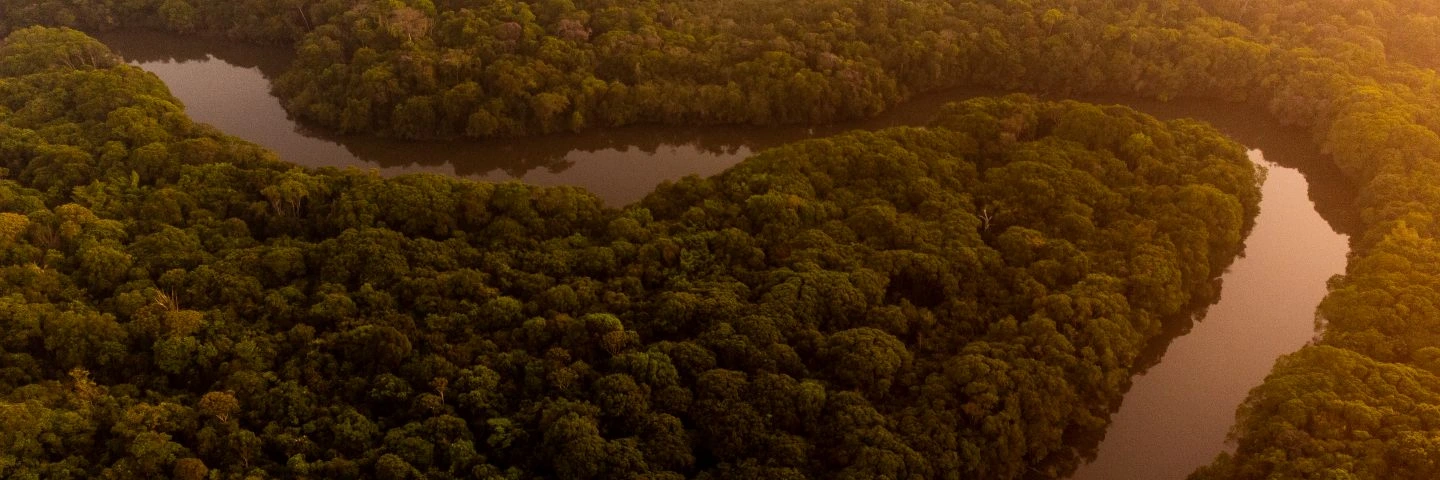
The Alliance for Amazon Restoration, on the other hand, was created in 2017 and brings together more than 180 members from the public, private, academic, and civil society sectors. “A bottleneck in scaling up restoration in the Amazon and developing a strategy to engage the private sector, which bears the greatest liabilities, so that they understand that restoration is not only as a means of complying with legal requirements, but also as an opportunity to generate and share socioeconomic benefits with local communities,” says Marcelo Ferronato, Executive Secretary of the Alliance.
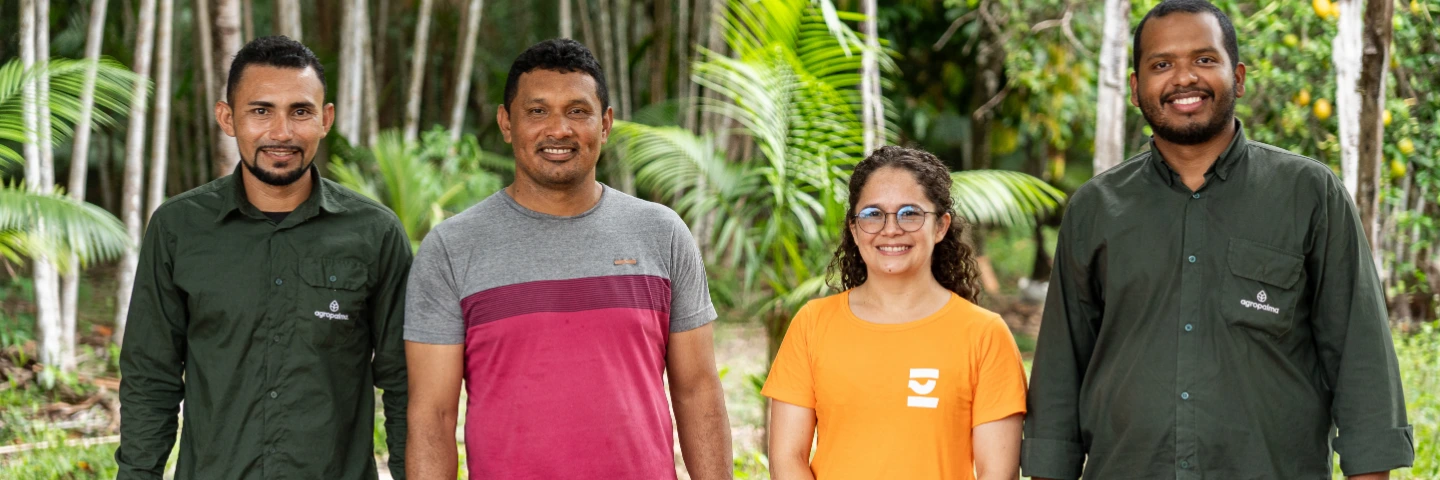
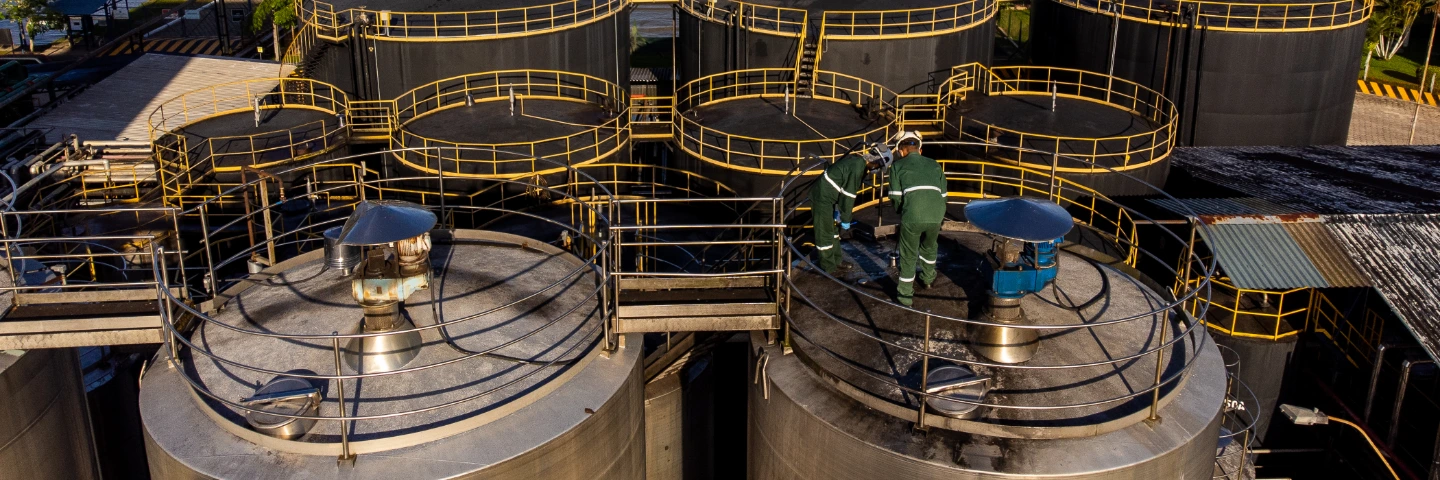
Based in the municipality of Tailandia (PA) since 1982, Agropalma, a producer of sustainable palm oil-based solutions, allocates approximately R$4 million annually to social and environmental initiatives in the Amazon. Instead of focusing on individual projects, it funds a range of activities organized into distinct areas: protection of forest reserves, ongoing mapping of local biodiversity, and scientific monitoring for the conservation of the Brazilian tapir. In the academic sphere, these funds support international ecological research in partnership with the Federal University of Pará (UFPA) and the University of Bristol in the United Kingdom, as well as funding environmental education initiatives in the communities surrounding the operation.
As Eneva’s flagship initiative for the conservation of the Amazon rainforest, the Raizes de Valor project has transformed the socio-economic circumstances of 93 smallholder farmers in the interior of Amazonas. Developed in partnership with the Belterra Institute in the cities of Silves and Itapiranga, the program promotes the sustainable management of 43 hectares of agroforestry systems. The R$8 million in funding since 2021 has boosted average household income by 190%, jumping from R$579 to R$1,680.
Fonte: Valor Econômico (06/05/26)