
 Back
BackAgropalma proves the effectiveness of natural techniques in palm management


COP30 in Belém (PA) has given high visibility to the subject of Nature-Based Solutions (NBS). This set of practices is expected to become one of the pillars of global climate action, being implemented mainly by agribusiness—a sector with high potential for ecosystem mitigation and restoration.
In this context, Brazil stands out with agricultural producers who are benchmarks for ecological farming. According to the study “Global Farmer Insights 2024,” developed by McKinsey, 61% of Brazilian farmers participating in the survey use biological inputs in pest management, reinforcing the country’s leadership in the use of sustainable practices.
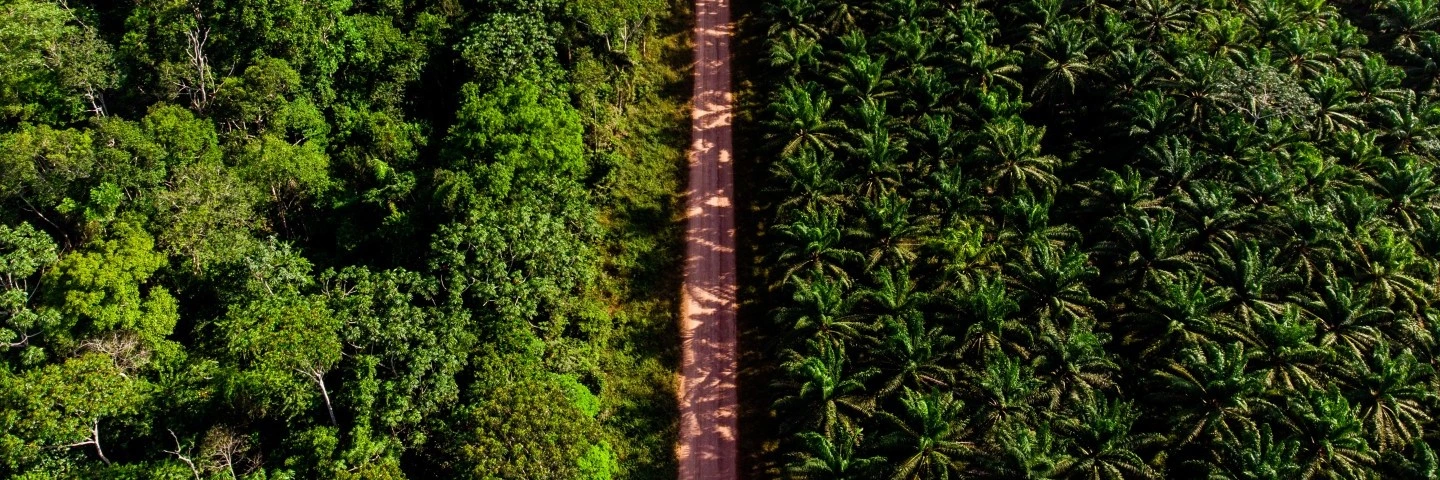
Recognized worldwide as a benchmark in sustainable palm oil production, Agropalma has a rigorous pest control system that complies with SBNs. This model has proven to be efficient, contributing to the health and productivity of plantations while protecting local biodiversity.
Prevention and diagnosis
Biological pest control has been practiced on all 39,000 hectares of the company’s plantation in Tailândia (PA) since the 2000s. With monthly analysis cycles of the plots, it is responsible for ensuring the health of the crop. For this method to be effective, each palm tree is assessed individually to identify possible pests, diseases, or anomalies that could in any way threaten the health of the plant, its productivity, and the surrounding ecosystem.
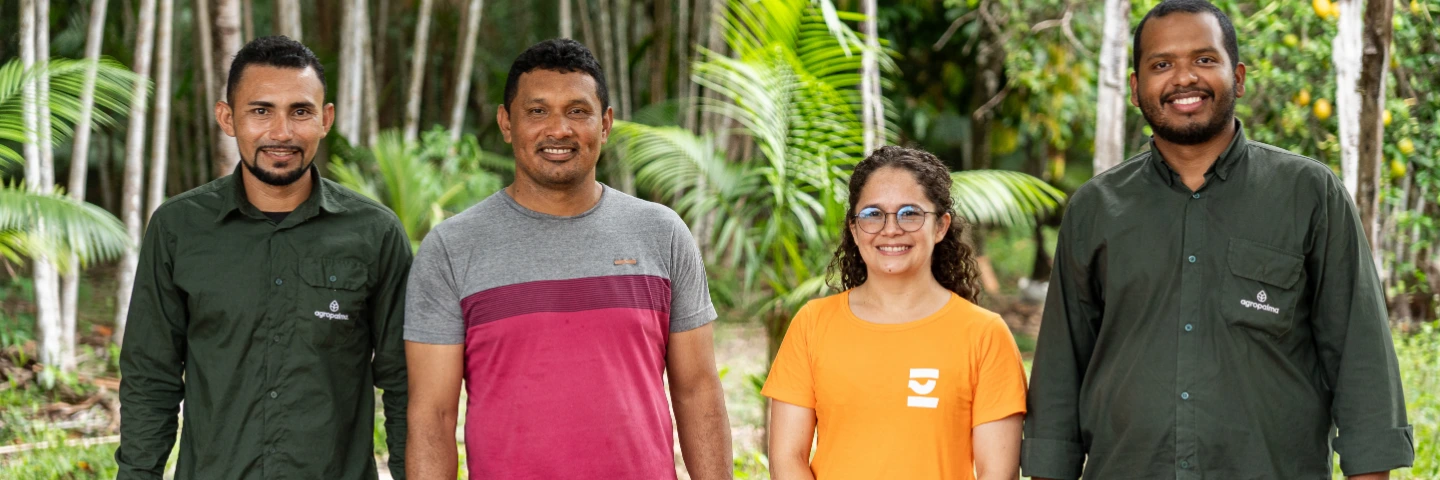
“Plant health acts preventively. It is a process that, when performed, helps minimize occurrences. If the plant health specialist reports any condition, we are able to assess the best treatment on a case-by-case basis and take action, prioritizing biological measures. We use what is available in nature and leverage it to our advantage,” explains Gerson Carlos Gloria, Plant Health Coordinator at Agropalma.
Everything noted during the assessments is recorded in an automated system, accessible to the entire Agropalma agricultural team. The process adopted replaces the traditional manual report, which required more time from the team and significant use of paper. With digital records, it is possible to cross-reference data and reduce response time for each specific condition.
“A wide range of treatments is available, so it is important to identify what kind of dysfunction we are dealing with,” explains Gloria. “For anomalies, usually caused by natural events such as rain, wind, and lightning, mechanical interventions are necessary. For diseases, whether viral, bacterial, or fungal, or pests such as insects, the solution is biological control.”
Management based on natural balance
The coordinator explains that biological pest control offers a range of options. “You can use anything from traps to capture insects, such as beetles, to producing solutions with dead or diseased caterpillars to combat other animals of the same species. The use of predatory insects for natural and balanced control is also one of the techniques applied by us.”
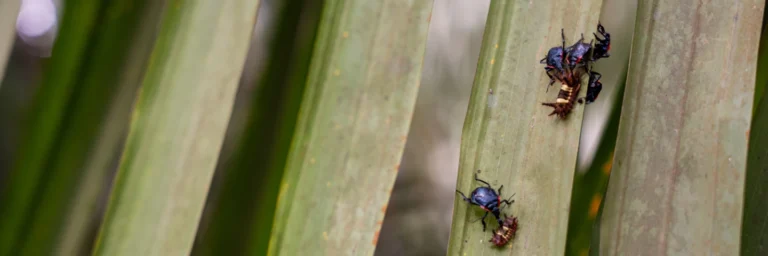
Agropalma has its own laboratory where it breeds a native species of bug that is a natural predator of the leaf-eating caterpillar, one of the most common pests affecting palm plantations.
In this controlled environment, the company develops this type of insect, getting it used to feeding on its prey from the outset. When it reaches adulthood, it is released into the plantation to provide natural pest control – a process that takes place on a quarterly basis so as not to affect the balance of the local ecosystem.
Source: The Agribiz (11/27/25)